
Adventure & Safety Tips

Visitor Guidance and Information
Planning an adventure is not complete without a few tips and a bit of advice from the locals that know the land and waterways.
Gain some guidance by reading the tips below.
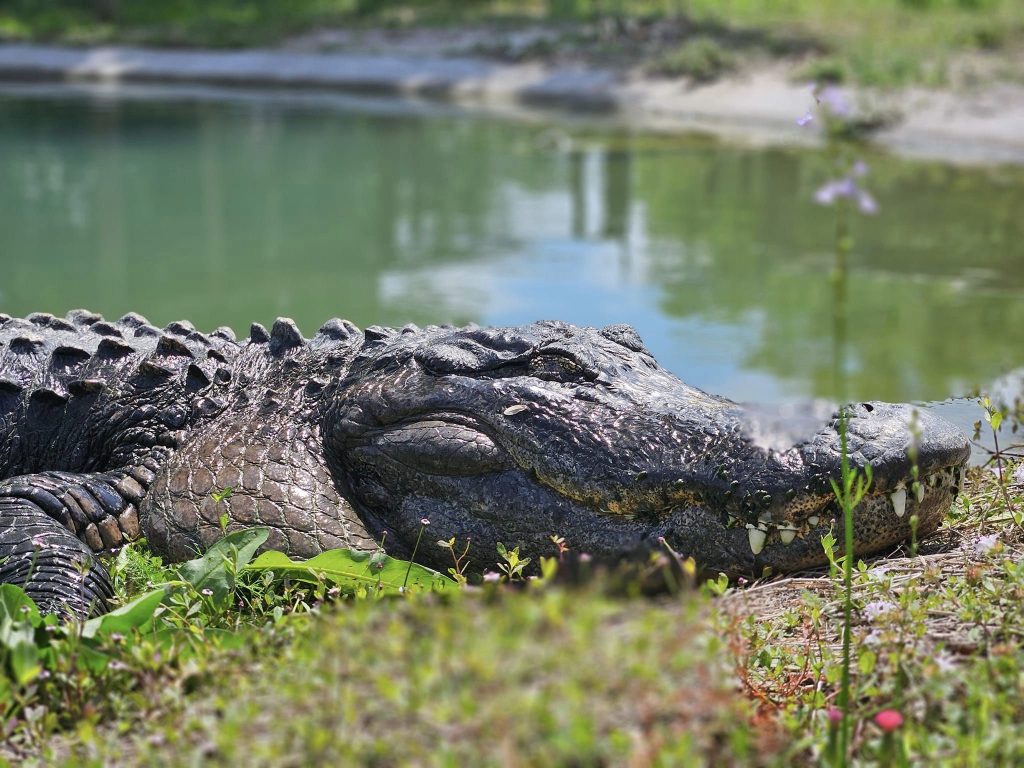
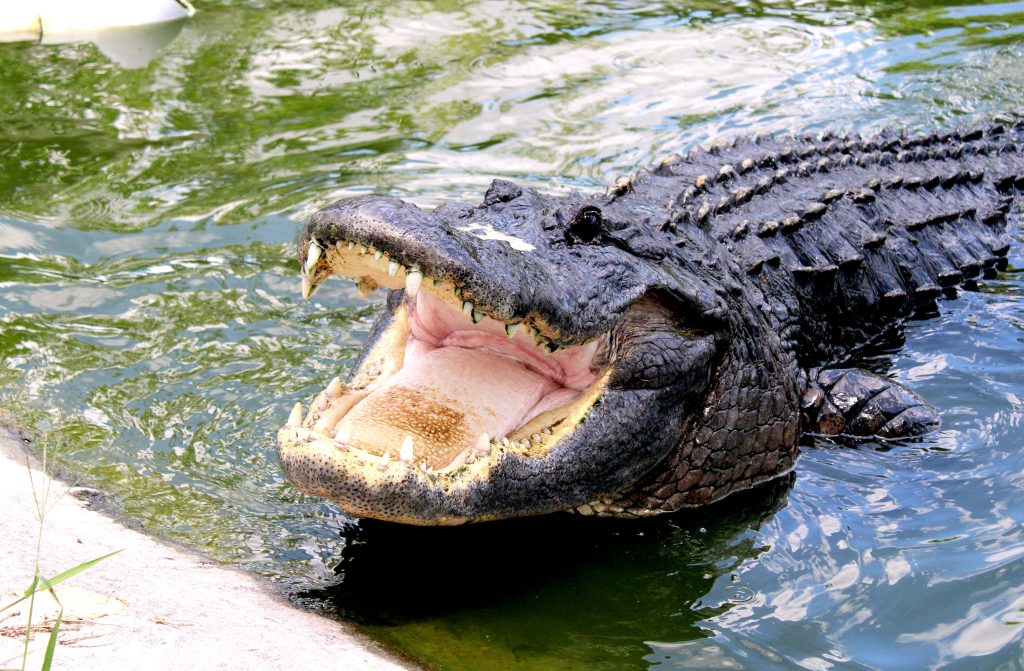
Alligator Safety and Awareness:
Here are practical alligator-safety tips for visitors in DeSoto County, Florida, based on commonly recommended guidance from the Florida Fish and Wildlife Conservation Commission (FWC) and local norms for rural, freshwater areas:
- Assume all freshwater may contain alligators. Lakes, rivers, canals, ditches, retention ponds, and even small creeks can host them.
- Stay at least 30 feet (10 meters) away from any alligator you see. They can lunge quickly over short distances.
- Do not swim in areas known to have alligators, especially:
- At dawn, dusk, or night (their most active feeding times)
- In murky water or where visibility is poor
- Do not let children or pets near the water’s edge. Alligators are more likely to target small animals.
- Keep pets leashed and several feet back from any shoreline.
- Never let dogs swim in ponds, lakes, rivers, or canals.
- Avoid walking dogs near water at sunrise/sunset.
- Never feed an alligator. It’s illegal in Florida and causes them to lose fear of humans.
- Don’t approach, harass, or try to move an alligator.
- Don’t retrieve balls, frisbees, or fishing lures from the water’s edge if an alligator is nearby.
- Be cautious when casting or retrieving fish—alligators may approach if they associate anglers with food.
- Don’t hang fish scraps off docks; always dispose of them in trash cans.
- Stay aware of the shoreline when launching kayaks, jon boats, or paddleboards.
- If you see an alligator that appears aggressive, large, or in an inappropriate place (like a yard):
- Call the Florida Nuisance Alligator Hotline: 866-FWC-GATOR (866-392-4286)
- Do not attempt to handle the situation yourself.
- Seasonal Notes for DeSoto County
- Warm months (March–October) mean increased alligator activity and movement.
- During mating season (April–June) alligators are more territorial.
- During dry periods, they may travel across land in search of water—spotting one on a road or lawn is not unusual.
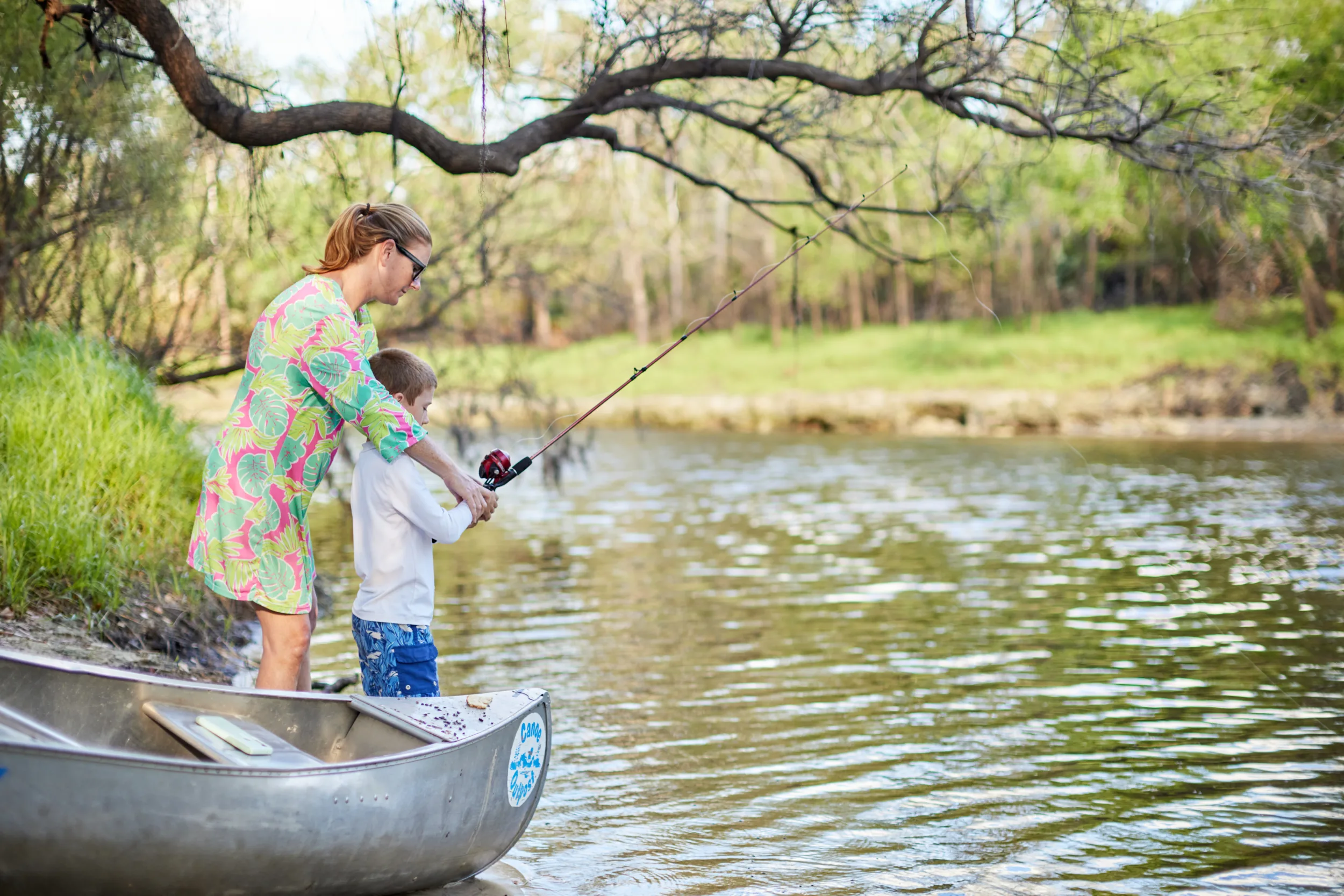
Fishing Information for Visitors:
- The Peace River is the county’s main fishing draw. Expect bass, bluegill, shellcracker, catfish, and gar.
- Fish around deep bends, fallen trees, and sandbars—these hold game fish year-round.
- During warmer months, look for moving water; in winter, target deeper holes.
- Best Baits & Techniques For Bass
- Soft plastics like worms, creature baits, or flukes in natural colors.
- Spinnerbaits and topwater frogs early morning or dusk.
- Work lures slowly in colder months; faster retrieves in summer.
- For Panfish (Bluegill, Shellcracker)
- Live bait: crickets, worms, small minnows.
Small beetle spins, jigs, or tiny poppers if fly-fishing.
- Live bait: crickets, worms, small minnows.
- For Catfish
- Nightcrawlers, cut bait, chicken liver.
Fish the deeper outside bends of the river.
- Nightcrawlers, cut bait, chicken liver.
- This is gator country. Avoid fishing right on the water’s edge at dawn/dusk.
- Don’t wade in the river.
- Keep stringers and bait away from the shoreline
- Visitors aged 16 and over must have a valid fishing license.
- A Florida freshwater fishing license is required for most visitors. Click the link for more information: https://myfwc.com/license/recreational/freshwater-fishing/
- Special seasons or limits may apply for certain species—check the Florida Fish and Wildlife Conservation Commission (FWC) website for the latest rules.
- A Florida freshwater fishing license is required for most visitors. Click the link for more information: https://myfwc.com/license/recreational/freshwater-fishing/
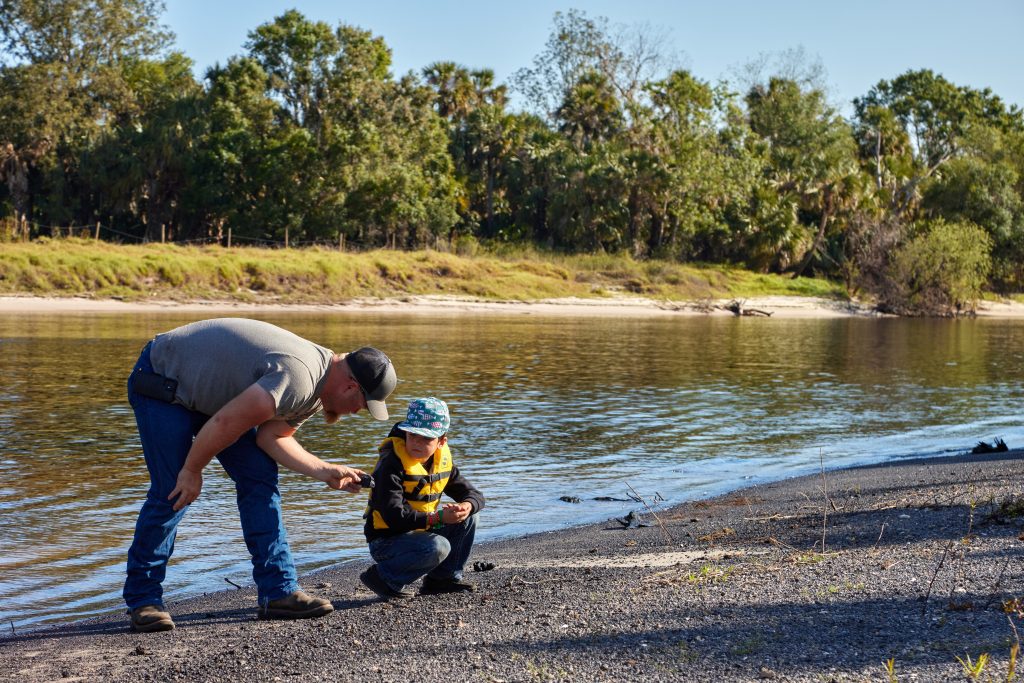
Guidance for Fossil Hunting:
- Get Your Fossil Permit
- Florida law requires a Fossil Permit from the Florida Museum of Natural History if you plan to collect vertebrate fossils (like mammal bones or teeth). *Fossil hunting is RESTRICTED at some county parks, including Morgan Park, 1100 W. Hickory St., Arcadia, FL. Click here for more park information.
- Extra Tip
- If you’re new to fossil hunting, consider booking a guided fossil tour in DeSoto County. Local experts provide tools, transport, and knowledge of the best fossil-rich sites, making it easier to find treasures like megalodon teeth or mammoth bones. For guided tours, click here: Up River Adventures | Horse Back Adventures, Kayaking, Family Fun
- Know What You Might Find
- Shark teeth (including megalodon, tiger, and bull sharks).
- Ray and fish fossils.
- Ice Age mammal remains such as mammoth, mastodon, horse, bison, and even giant sloth bones.
- Occasionally, Native American artifacts may surface—these should be left undisturbed as they are protected.
- Bring the Right Gear
- Sifter and shovel: Gravel beds along the river hold most fossils.
- Mesh screens: A ¼-inch mesh works well for shark teeth.
- Water shoes or boots: The riverbed can be rocky and slippery.
- Buckets or bags: For safely storing finds.
- Best Hunting Locations
- The Peace River is the prime spot in DeSoto County.
- Look for gravel bars and shallow areas where fossils accumulate.
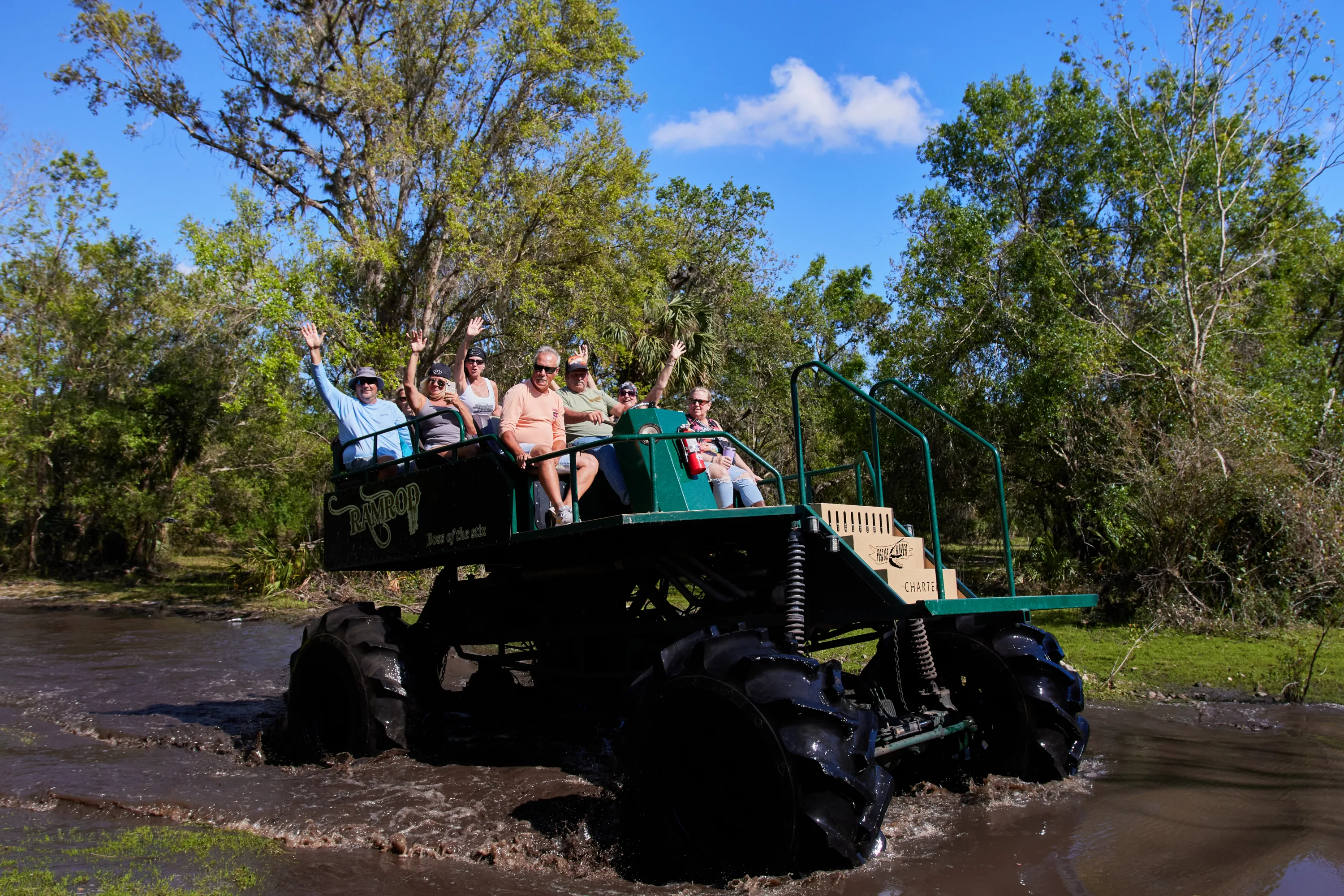
- Guided tours (airboat, swamp buggy, or canoe) are available if you want expert help locating fossil-rich areas.
- Practice Responsible Fossil Etiquette
- Respect private property: Only hunt in public areas or with landowner permission.
- Leave the environment as you found it: Don’t dig into riverbanks or disturb vegetation.
- Safety first: Watch for wildlife (alligators, snakes) and be cautious in moving water.
- Timing and Conditions
- Fossil hunting is best during dry season (winter and spring) when river levels are lower.
- After heavy rains, gravel beds may shift, revealing new fossils.
Other Visitor Tips:
- Outdoor Adventures
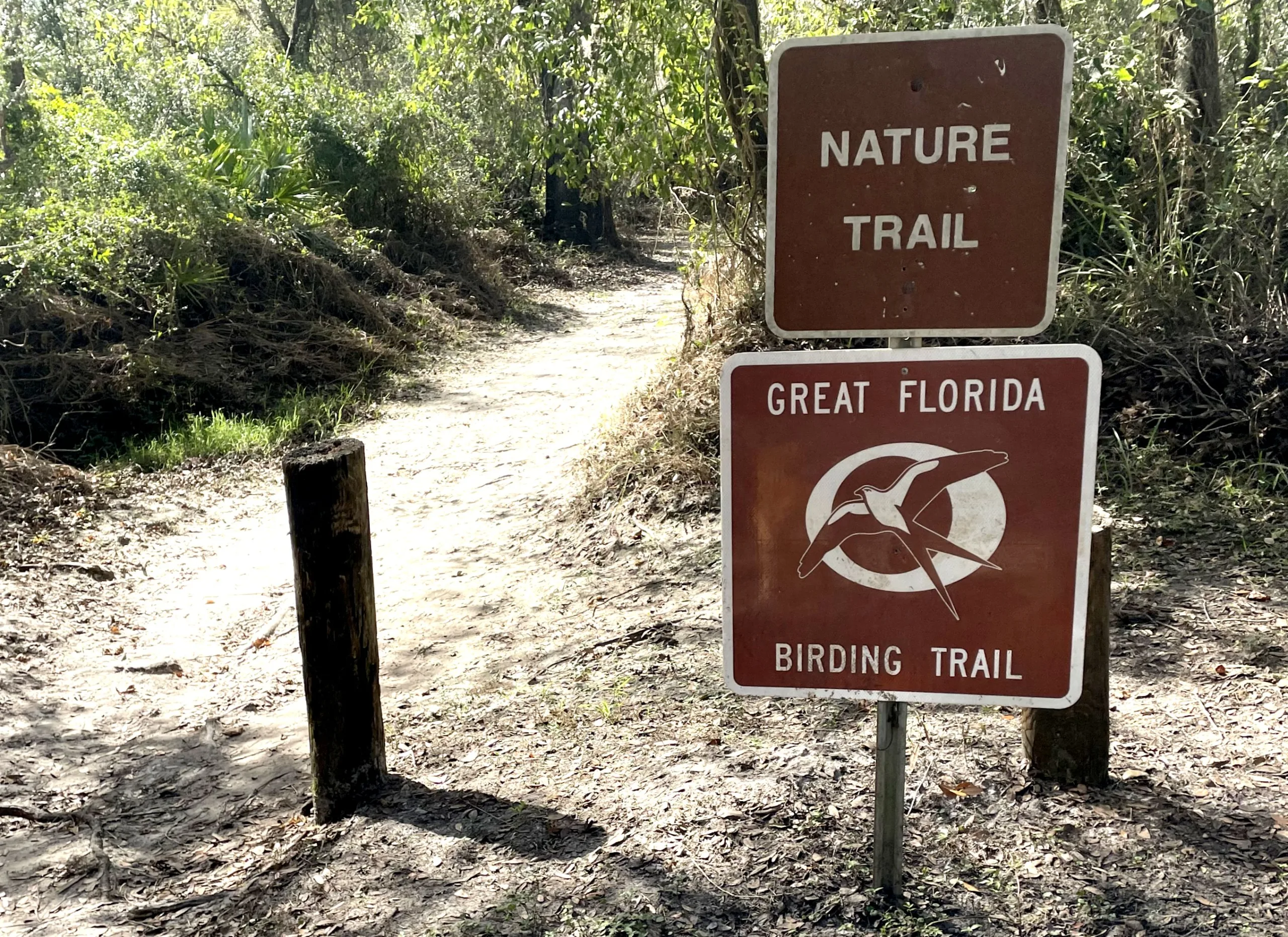
- Morgan Park – A peaceful riverside park with walking trails, picnic areas, and access to the Peace River. Great for kayaking or simply enjoying nature.
- Brownville Park – Known for its boat ramp and camping facilities, this is a favorite spot for launching into the river or spending a night under the stars.
- Jungle Doria’s Wildlife Park – A family-friendly attraction where you can see exotic animals and learn about Florida’s wildlife.
- Local Flavor
- Joshua Citrus Inc – A must-stop for fresh Florida citrus, juices, and homemade treats. It’s a slice of authentic Florida agriculture and a fun place to taste local products.
- Unique Experiences
- Arcadia All-Florida Championship Rodeo – One of the oldest and most famous rodeos in the state. If you’re visiting during rodeo season, this is a cultural highlight not to miss.
- Parks & Recreation
- Desoto County Parks & Rec – Offers multiple recreational facilities and community events.
- DeSoto Veterans Memorial Park – A quiet, reflective space honoring veterans, perfect for a respectful visit.
- McSwain park – A smaller local park, ideal for a casual stroll or a quick break.
- Visitor Ideas
- Explore the Peace River: Fossil hunting, canoeing, and airboat tours are popular here.
- Historic Downtown Arcadia: Browse antique shops, boutiques, and enjoy local dining.
- Pack for the outdoors: Bring sunscreen, bug spray, and water—DeSoto’s adventures are mostly outside.
- Timing matters: Rodeo season and citrus harvest times add extra excitement to your trip.
- Unplug & relax: DeSoto County is slower-paced compared to Florida’s coastal cities—lean into the tranquility local noises, such as the sound of cicadas.
Other Outdoor Adventure links:
- DeSoto Destination & Dining Guide
- Looking for Things to Do in Southwest Florida? Try DeSoto. – Visit DeSoto
- Arcadia, FL Shopping: Boutiques and Locally-Owned Establishments – Visit DeSoto
- Location Categories: Family Fun – Visit DeSoto
- Downtown Arcadia: Worth the Wild Ride – Visit DeSoto
- Plan Your Trip: Getting Here, Activities, and More – Visit DeSoto